Museum Quality and Rare Items
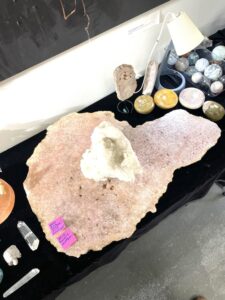
Original price was: $3,000.00.$2,400.00Current price is: $2,400.00.
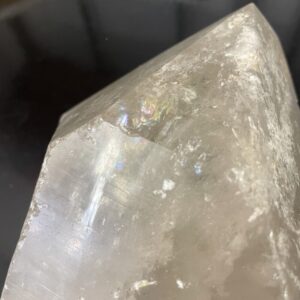
Original price was: $575.00.$375.00Current price is: $375.00.
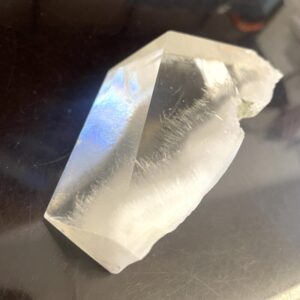
Original price was: $1,200.00.$699.00Current price is: $699.00.
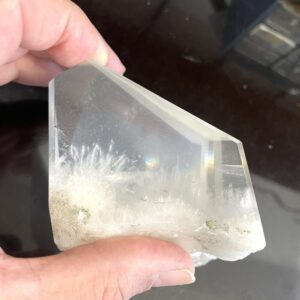
Original price was: $1,900.00.$1,699.00Current price is: $1,699.00.
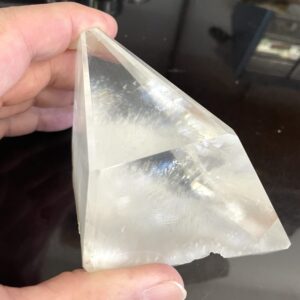
Original price was: $1,900.00.$1,499.00Current price is: $1,499.00.
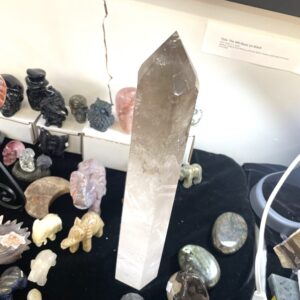
Original price was: $1,500.00.$1,150.00Current price is: $1,150.00.
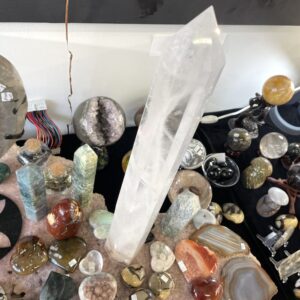
Rare 19.8 Inches Monumental Huge Quartz Crystal 6 lbs 12 oz or 3068g – WQ14 – Wand, Display Specimen
Original price was: $1,950.00.$1,550.00Current price is: $1,550.00.

Original price was: $950.00.$550.00Current price is: $550.00.

Original price was: $375.00.$175.00Current price is: $175.00.

Price range: $3.00 through $99.00
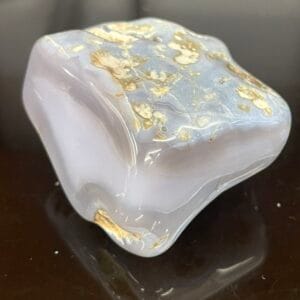
Original price was: $600.00.$465.00Current price is: $465.00.
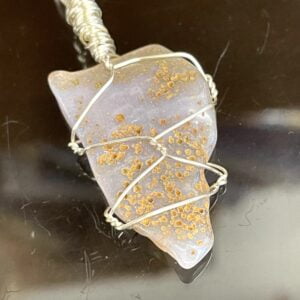
Original price was: $235.00.$129.00Current price is: $129.00.
About Museum Quality and Rare Items
Museum quality refers to specimens—whether minerals, fossils, artifacts, or art—that meet the highest standards of preservation, rarity, scientific or historical significance, and visual impact. These pieces are often hand-selected for their exceptional size, color, crystal form, and provenance, making them comparable to the best examples displayed in world-renowned museums. For minerals and fossils, museum quality specimens might include large, flawless geodes, perfectly preserved dinosaur bones, or complete skeletons of prehistoric mammals, all of which are meticulously prepared and sometimes restored by experts to ensure both scientific accuracy and aesthetic excellence. Such items are often accompanied by detailed documentation and a clear chain of custody, enhancing their value and authenticity.
In the marketplace, the term “museum quality” is sometimes used loosely, but among serious collectors and institutions, it denotes items that are not only visually stunning but also possess educational or scientific merit. Museums adhere to strict standards for acquisition, care, and display, ensuring that each piece is legally sourced, well-documented, and preserved for future generations. Whether destined for public exhibition or private collections, museum quality items serve as benchmarks of connoisseurship and curation, offering a unique blend of natural beauty, cultural heritage, and scholarly value. If you’re seeking to elevate your collection or create a statement piece for your space, exploring museum quality specimens opens the door to some of the world’s most extraordinary natural wonders.
Rare items in the world of minerals, fossils, and collectibles are those distinguished by their scarcity, unique characteristics, or limited geographic origin. Rarity can be defined by several factors: the infrequency of the mineral or fossil in nature, the difficulty of extraction, the exclusivity of the locality, or the presence of unusual features such as exceptional size, color, or crystal formation. For example, a mineral might be considered rare if it contains uncommon elements, is found only in a handful of locations, or exhibits a crystal habit seldom seen in nature. Some fossils, like a nearly complete dinosaur skeleton or a soft-bodied octopus fossil, are rare due to the exceptional preservation required for their survival through deep time.
Collectors and museums highly prize rare items not only for their uniqueness but also for the stories they tell about Earth’s history and the processes that shape our planet. The rarity of a specimen can dramatically increase its desirability and value, especially when coupled with outstanding quality or provenance. However, rarity is often relative—what is rare in one locality may be more common elsewhere, and the availability of specimens in the marketplace can shift perceptions of rarity over time.